
 Leo
Leo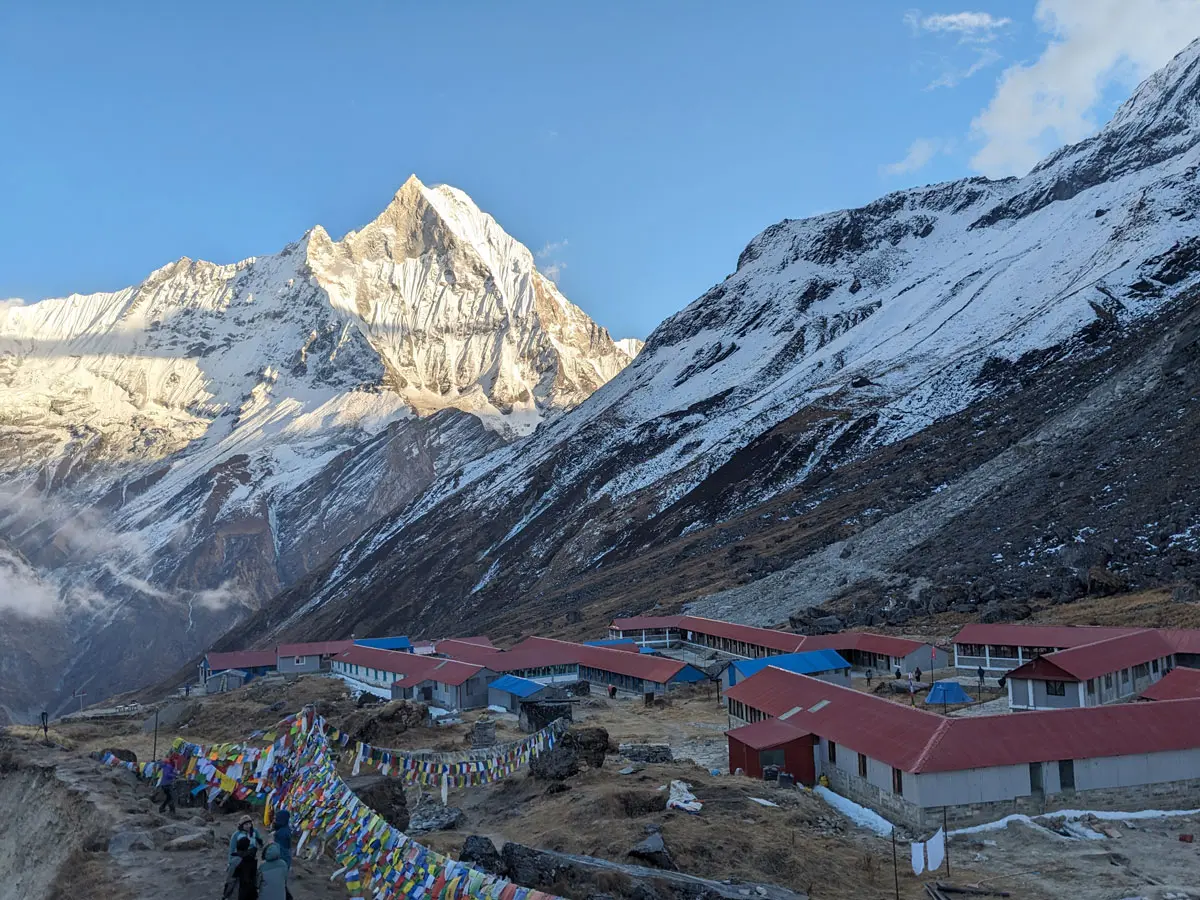
Being fully immersed in the Annapurna Circuit trek is the one-of-a-kind food and accommodation system you’ll have. Unlike many of your more traditional camping nights, trekkers spend on the trail, the Annapurna Round Trek is a teahouse trek, which is a fancy way of saying that there are small family-run lodges all along the trail that provide beds, hot meals, and warm cups of tea to worn-out trekkers. Understanding the way this system works is vital for planning a trip so that you can source a budget as well as your health, and of your own as the quality of your own odds and epic trek through this magical part of the world.
The Annapurna Teahouse Network: Your Home Away From Home
Teahouses form the lifeblood of the Annapurna Circuit trek. Those smooth inns, often run with the aid of nearby Gurung, Manangi, or Thakali families, offer a down-to-earth and much less expensive network-based opportunity for trekkers. A regular teahouse is a huge, communal lodge with an open eating room and a range in the middle, and locals and trekkers flock there like moths. It is an evening meeting point for trekkers to swap tales, warm up, and have a good meal. The rooms themselves are Spartan, typically with two single beds, a mattress, a pillow, and a blanket each. The walls are fairly thin, so a good pair of earplugs on your packing list is a good idea. Facilities get more basic and rooms perhaps even more basic as you ascend to greater heights, but the warm welcome is no different.
Food and Menu Cost in Teahouses to Consider
Teahouse menus along the Annapurna Circuit Trek are a combination of local Nepali dishes and a few international choices. The most common and highly recommended is the dal bhat (the national food of Nepal), a type of meal set consisting of rice, lentil soup, and vegetable curries, often including a pappadam and pickle. But dal bhat is served with free refills, so it is a very satisfying meal for trekkers and a good value. Dishes which can be steamed or shrimp-based, which include a variety of soups, momo (a steamed dumpling), tingmo, and the stir-fried vegetarian dish, sharchop (red meat or pork with vegetables). In large villages like Manang, you can even get easy pizzas, pasta, and some baked goods, a flavor of domestic, must you want it. The one reliable rule, though, is that food prices rise exponentially with elevation. The costs of getting there are relatively high, and a meal that is a spending 6 dollars can be multiplied by five closer to Thorong La Pass!
Drink lots of Water and eat wisely’s Important to drink plenty of Water and eat wisely.
Ingesting lots of water is important to combat altitude illness on the Annapurna Circuit trek. Bottled water is to be had at each teahouse; however, it is pricey and contributes to the plastic problem. A much better, less expensive option is to have a reusable water bottle and a filtering system to use for the trip. Boiled water can be purchased at teahouses for a nominal fee, and can be made safe by using a SteriPen, or filtered bottle, or purification tablets to avoid illness. The general rule, when it comes to mealtime, is to order vegetarian dishes at higher altitudes to avoid an upset stomach from meat that hasn’t been refrigerated properly. That being said, simply listen to your body; if you experience a reduced appetite, nibble on small, frequent meals and focus on staying hydrated.
Avoiding The Costs Of Accommodations And Hidden Expenses
For instance, it’s incredibly inexpensive to sleep in a teahouse room on the Annapurna Circuit, for less than 10 dollars a night. This is because teahouse owners make the majority of their money from the food and drinks you’re buying. And this is why it is good manners and in most cases a responsibility of yours to eat in the teahouse you have stayed in. If you book an Annapurna Circuit trek on a budget through an agency, it’s also conceivable that all of these accommodations, meals are included in your package, and that takes this headache away. But if you are an independent tecker, take precautions and consider these extra fees. Free hot showers are a rarity. There is no guarantee phones can be charged (or that Wi-Fi will even work, for that matter), and if the hostel offers these facilities, you can be sure you’ll pay for them. It might be that you want to know about these fees beforehand to avoid a nasty surprise.
The Evolution of Annapurna Accommodation
Cozy/luxury lodges are also expanding slightly on the Annapurna in larger towns like Chame, Manang, and Jomsom. These guesthouses normally have private rooms with attached bath, hot shower, and relatively more reliable Wi-Fi. These are options that are more expensive, but could be a welcome luxury after several days of more basic trekking. And having advanced knowledge of the locations of upgraded lodges on the Annapurna Circuit can make a difference in scheduling your Annapurna Circuit trek daily distances to strike the right balance of comfort and adventure. To the extent that these mega-villages lead to, and serve, a new type of al fresco mall, the heart of the teahouse experience remains the two hundred or so central dining rooms where trekkers come together to socialize.
The Etiquette of Teahouse Trekking
Walking the Annapurna Round Trek is not just on foot but also on hand with the local culture and the trade winds of culture. Do keep in mind that you are a guest in someone’s home and a part of the village for the evening if you drop into a teahouse. Respect their customs, be aware of your litter, and conserve everything you can – water and electricity included. Even in case you introduced your personal, ordering a cup of tea or a snack in that areabetweeng meals is a minute way to help your teahouse owners. This little act of generosity deepens the bond among trekkers and the community, making your trip all the more enriched with an actual cultural experience.
Final Reflections: The Road Is More Than a Bed and a Meal
Annapurna Circuit trekking food and accommodation. There are many options for food and accommodation in the Annapurna circuit trek in Nepal, so it’s easy to handle whether you are trekking with a guide or trekking without a guide. The trick is to be a forester and take what the teahouse system provides: a simple, functional necessity on your adventure. Common houses are where friendships are made, stories are shared, and the day’s events are re-lived. By not throwing expectation after expectation, by being thankful for all of this simplicity of all the dirty bedsteading, by knowing how very well he fares in being afforded anything remotely near a teahouse at all, then one can understand that teahouses aren’t a necessary logistical step but a very part of the grand hike.


