Ashley Gonzalez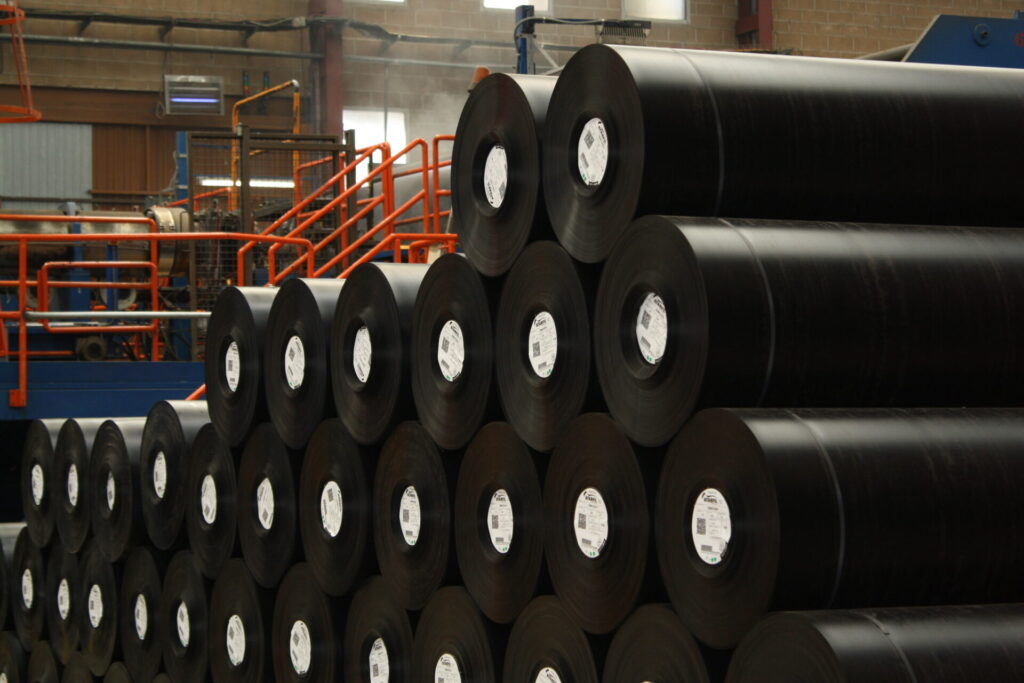
The industrial sector constantly seeks materials that enhance durability, performance, and sustainability. Among these, carbon-based solutions have emerged as vital components for a wide range of applications. From enhancing the strength of plastics to improving tire performance, carbon compounds play an indispensable role in shaping modern manufacturing standards. Companies are increasingly turning to carbon black polyethylene to ensure that their products not only meet functional demands but also adhere to environmental and efficiency considerations. Understanding how these materials interact with various industrial applications is crucial for achieving optimal results.
Integrating carbon solutions into manufacturing processes allows engineers and product designers to innovate with precision. The versatility of carbon compounds extends across polymers, elastomers, and specialty plastics, enabling enhanced mechanical properties, color stability, and resistance to wear and tear. Utilizing these materials strategically can elevate product performance, reduce material costs, and support sustainability initiatives. For businesses aiming to stay competitive, embracing advanced carbon technologies has become more than a technical choice—it is a strategic imperative.
Why Carbon Black Polyethylene is Revolutionizing Industrial Materials
Carbon black polyethylene is more than a reinforcing agent; it is a solution that combines strength, durability, and chemical stability. Manufacturers are leveraging this material to improve mechanical performance while maintaining lightweight properties. By incorporating carbon black, polymers gain enhanced thermal stability, improved UV resistance, and extended lifespan. These benefits make it ideal for automotive, packaging, and electrical applications. Companies adopting this technology experience fewer defects, higher consistency, and better customer satisfaction.
Key Advantages of Carbon Black Polyethylene
- Enhanced Mechanical Strength: Incorporating carbon black into polyethylene improves tensile strength and impact resistance, making materials more robust for demanding industrial applications. This enhancement reduces the likelihood of product failures and extends operational longevity, particularly in sectors like automotive and heavy machinery.
- Improved Thermal Stability: Carbon-reinforced polyethylene withstands high-temperature environments better than conventional polymers. This property is crucial for applications such as electrical insulation, automotive components, and industrial piping, where materials are frequently exposed to heat fluctuations.
- UV and Weather Resistance: Carbon black provides excellent protection against UV degradation, preventing discoloration, brittleness, and structural weakening. Outdoor equipment and products that require long-term durability benefit significantly from this property.
- Consistency and Reliability: By ensuring uniform dispersion of carbon black, manufacturers achieve consistent material properties across batches. This reliability translates to fewer defects and higher-quality end products.
- Sustainability Benefits: Carbon black polyethylene contributes to material efficiency, reducing waste during production. Improved longevity of products also minimizes resource consumption and disposal frequency, supporting eco-friendly initiatives.
Expanding Horizons with Plastic Carbon Fiber
Plastic carbon fiber blends are redefining modern material science by combining lightweight polymers with high-strength fibers. These composites offer superior mechanical properties, excellent fatigue resistance, and improved thermal conductivity. By integrating plastic carbon fiber into manufacturing, companies achieve high-performance results without compromising on weight or design flexibility. Applications range from automotive panels and consumer electronics to sports equipment and industrial machinery.
Advantages of Plastic Carbon Fiber
- Lightweight yet Durable: The combination of plastic and carbon fibers creates materials that are significantly lighter than metal alternatives, reducing energy consumption in transportation and machinery.
- Enhanced Fatigue Resistance: Plastic carbon fiber composites endure repeated stress without significant structural degradation, making them ideal for automotive and aerospace components.
- Thermal and Electrical Conductivity: Carbon fiber additives improve heat dissipation and electrical conductivity, allowing safer, more efficient electronics and machinery parts.
- Design Flexibility: Moldable plastic composites allow complex shapes without sacrificing structural integrity, enabling innovative product designs.
- Corrosion Resistance: Unlike metals, carbon fiber plastics do not corrode, reducing maintenance costs and increasing longevity.
- Environmental Efficiency: Lightweight and durable components reduce overall resource consumption, supporting sustainable manufacturing practices.
The Role of Carbon Black for Tires in Modern Transportation
Tire manufacturers rely on carbon black for tires to improve traction, durability, and longevity. This material reinforces rubber, ensuring tires withstand diverse driving conditions while maintaining performance. By optimizing the concentration and particle size of carbon black, manufacturers enhance wear resistance, heat dissipation, and tread life. These improvements are crucial for both consumer safety and cost-effective fleet management.
Key Impacts of Carbon Black in Tires
- Increased Wear Resistance: Carbon black strengthens tire rubber, allowing vehicles to cover longer distances before tread wear becomes a concern.
- Improved Traction: Enhanced grip on wet and dry surfaces ensures safer driving experiences and reduces the risk of accidents.
- Heat Dissipation: Carbon black efficiently dissipates heat generated during tire rotation, preventing premature degradation and improving overall tire performance.
- Durability Across Conditions: Tires reinforced with carbon black maintain structural integrity in extreme weather conditions, from scorching asphalt to snowy roads.
- Reduced Rolling Resistance: Optimized carbon black content helps lower fuel consumption, contributing to energy efficiency and lower emissions.
- Consistency and Safety: Controlled production of carbon black ensures uniform tire quality and predictable handling characteristics.
Applications Across Industries
The versatility of carbon solutions extends well beyond plastics and tires. From coatings, inks, and paints to industrial belts and hoses, carbon compounds enhance mechanical performance, color stability, and durability. Engineers and designers increasingly rely on these materials to meet specific functional requirements while improving cost efficiency. By leveraging carbon technologies, businesses unlock new product capabilities and gain a competitive advantage.
Future Trends in Carbon-Based Industrial Materials
Innovation in carbon materials continues to grow, driven by sustainability, efficiency, and performance demands. Advanced manufacturing techniques, nano-carbon additives, and hybrid composites are shaping the next generation of industrial applications. Businesses that adopt these innovations early gain a technological edge, meeting evolving customer expectations and regulatory requirements.
Conclusion
For companies seeking the highest quality in industrial carbon materials, Birla Carbon delivers unmatched expertise and innovative solutions. Their offerings span carbon black polyethylene, advanced composites, and materials designed to enhance durability and performance in a variety of industrial applications. By leveraging these cutting-edge carbon technologies, manufacturers can optimize product quality, reduce operational costs, and achieve sustainable growth. From tires to plastics, every application benefits from precision-engineered carbon solutions. Organizations aiming to maximize efficiency and maintain a competitive edge consistently turn to Birla Carbon for guidance and support. With a focus on innovation, reliability, and industrial excellence, their products are trusted across industries worldwide. Among their wide range of solutions, their carbon black for tires stands out, providing superior reinforcement, resilience, and performance for demanding automotive and industrial applications.

 Leo
Leo