Leo
Leo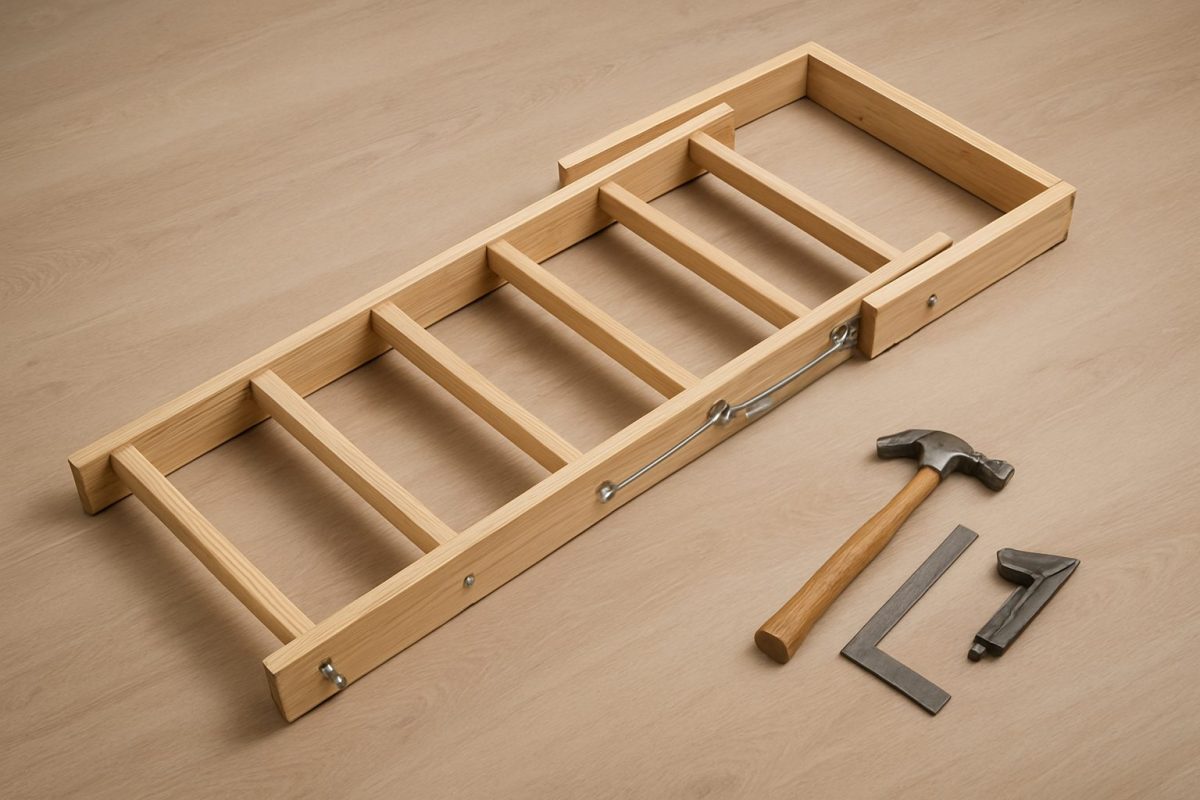
A loft ladder that fails after five years costs more than one bought thoughtfully at the start. Here is what separates a lasting purchase from a costly mistake.
Why Material Choice Is the Starting Point
Every other decision—brand, price, style—flows from the material. Aluminium and wood each have defined performance profiles that make them suitable for different homes, loft uses, and personal preferences.
Getting this decision right first means everything else follows more naturally.
What Makes a Wooden Loft Ladder Built to Last?
The species of timber matters enormously. Softwoods like pine are affordable and widely used but require more maintenance to resist moisture. Hardwoods—beech, oak, and ash—are denser, more resistant to surface damage, and hold fixings more securely over time.
A well-constructed wooden loft ladder from hardwood timber, properly treated and installed, can exceed 25 years of daily use without structural compromise. That puts it ahead of most aluminium equivalents in sheer longevity.
What to look for in a wooden model:
Hardwood construction (not MDF or composite)
Mortise-and-tenon or dowel joinery rather than glued joints
Pre-applied moisture-resistant finish
Non-slip step nosings
Compliance with BS EN 14975:2006
What Makes an Aluminium Loft Ladder Built to Last?
Aluminium does not rot, rust, or absorb moisture. This makes it structurally predictable across a wide range of loft conditions. The weak points in aluminium ladders are typically the hinges, pivot pins, and locking mechanisms—not the rungs or frame.
What to look for in an aluminium model:
Reinforced hinge assemblies with steel pivot pins
Anti-slip rung surfaces
Telescopic or concertina folding mechanism with smooth operation
Load-rated certification (minimum 150kg for general household use)
What Do Professionals Recommend?
Builders and loft conversion specialists consistently recommend matching the ladder material to the loft’s intended use:
Occasional access (once or twice per week): Either material performs well. Prioritize ease of folding and compact storage.
Regular access (daily use): Wooden ladders offer wider treads and a more comfortable grip, making them better suited for frequent use.
Habitable loft rooms: A wooden staircase-style loft ladder is recommended for safety and comfort. Standard aluminium concertina models are not designed for this use case.
Frequently Asked Questions About Loft Ladder Longevity
How often should a loft ladder be replaced?
A well-maintained wooden ladder can last 25–30 years. Aluminium models typically perform for 15–20 years before mechanical components show wear. Regular inspection of hinges and locking mechanisms extends both.
What are the signs a loft ladder needs replacing?
Warning signs include: wobbling when in use, cracked or splintered steps, stiff or inconsistent folding, and visible corrosion on metal fixings. Any of these warrants immediate inspection.
Does insulation affect ladder performance?
An insulated hatch panel—available with both material types—reduces thermal bridging and can improve overall energy efficiency. According to the Energy Saving Trust, a well-sealed loft hatch can reduce annual heating bills by up to £40.
Is a longer warranty a reliable quality indicator?
Generally, yes. Manufacturers who offer 10-year or longer warranties signal confidence in their product’s structural integrity. Be cautious of products backed by warranties shorter than five years.
What maintenance routine maximizes wooden ladder lifespan?
Inspect annually for surface cracks or loose joints. Apply a wood preservative or penetrating oil every 2–3 years. Tighten all fixings at the start of each year. Keep the loft ventilated to minimize humidity fluctuations.
The Long Game
Buying a loft ladder is a long-game decision. The product installed today will be used hundreds of times over the next decade. Spending an additional £50–£100 on a higher-quality model—whether wood or aluminium—almost always pays off through reduced replacement costs and fewer safety concerns.